 The Oxford Languages Dictionary defines the word Healing as: “the process of making or becoming sound or healthy again”.
Healing refers to the process of restoring or regaining sound vitality, enabling one to be in a state of good health once more. It encompasses the various methods and practices aimed at promoting physical, emotional, and spiritual well-being. Healing is a multifaceted concept that involves nurturing and enhancing one’s overall wellness, whether it be by alleviating physical discomfort, soothing emotional distress, or fostering a sense of inner peace and balance. It encompasses a wide range of approaches, from conventional medical treatments to alternative therapies, all with the common goal of promoting the restoration and rejuvenation of the individual. By addressing the root causes of ailments and imbalances, healing experiences have the potential to not only alleviate symptoms but also initiate a profound transformation from within, leading to a renewed vitality and a heightened sense of overall wellness. Through practices that ameliorate or ease physical, emotional, or spiritual distress, healing becomes a catalyst for positive change, empowering individuals to regain their health and well-being.
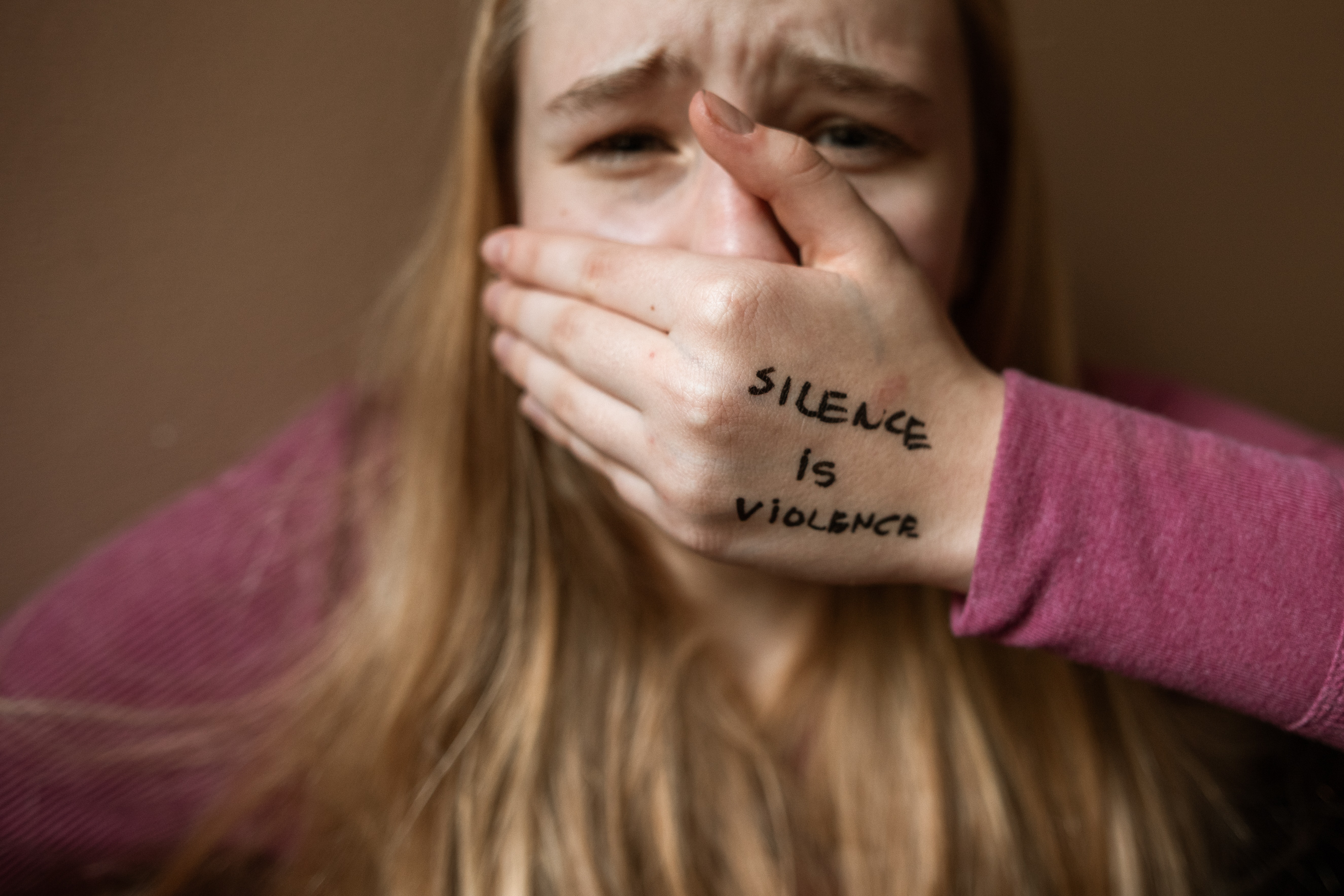
When an individual finds themselves caught in the clutches of emotional, psychological, financial, spiritual, or physical abuse, it can be an incredibly challenging and overwhelming experience. Abuse in any form leaves deep scars on a person’s well-being and sense of self-worth. It can shatter their trust, causing fear and anxiety to pervade their lives.
In situations like these, it becomes imperative for the survivor to embark on a journey of healing, one that enables them to reclaim their strength and rebuild the shattered pieces of their life. Healing is a vital process that helps individuals rediscover their sense of self, enabling them to overcome the trauma inflicted upon them and find solace.
Healing from abuse is not a linear path; it is a deeply personal and unique journey for each survivor. It involves confronting painful memories, understanding the impact of the abuse on various aspects of their life, and seeking support from professionals or support groups who can provide guidance and empathy.
Moreover, healing also entails reconnecting with oneself, rediscovering personal strengths and interests, and nurturing self-compassion. It involves setting boundaries, learning to prioritize self-care, and actively pursuing activities that bring joy and fulfillment.
It is important to remember that healing takes time, and every survivor progresses at their own pace. The process may involve setbacks and challenges, but with perseverance and support, it is possible to transcend the pain and find peace. By embracing the journey of healing, survivors can reclaim their lives, forge healthier relationships, and cultivate a renewed sense of empowerment and resilience.
Remember, if you or someone you know is experiencing abuse, it is crucial to seek professional help and support. There are helplines and organizations available that can assist in navigating through these difficult circumstances. You are not alone, and together we can work towards a future free from abuse.
Let’s keep in mind that abuse is not only physical, and does not only affect women. The Domestic Violence Hotline helps us understand what falls into the category and definition of abuse:

Domestic violence (also referred to as intimate partner violence (IPV), dating abuse, or relationship abuse) is a pattern of behaviors used by one partner to maintain power and control over another partner in an intimate relationship.
Domestic violence is an issue that affects individuals from all walks of life. It transcends barriers of race, age, gender, sexuality, religion, education level, and economic status. It is unfortunate that anyone can find themselves either as a victim or a perpetrator of domestic violence.
The scope of domestic violence includes a wide range of behaviors that are intended to exert control and power over an intimate partner. Physical violence is one evident form of abuse, but it is not the sole manifestation. Emotional abuse is also prevalent, which can be equally damaging to a person’s well-being, leaving invisible scars that can last a lifetime.
Emotional abuse encompasses a myriad of tactics such as constant criticism, humiliation, and manipulation. It is a form of control that undermines an individual’s self-esteem and gradually erodes their sense of self-worth. Victims of emotional abuse may find themselves doubting their own capabilities, feeling trapped in a cycle of fear and anxiety.

Another insidious aspect of domestic violence is financial control. Perpetrators may seek to exert power by controlling the finances of their partner limiting their access to money and resources. This form of abuse not only restricts a person’s ability to meet their basic needs but also traps them in a state of dependence, making it challenging to escape the abusive relationship.
It is important to raise awareness about domestic violence and its various manifestations in order to support victims and promote healthy relationships. By fostering a culture of education, empathy, and support, we can work towards preventing and ending domestic violence in our communities.
If you or someone you love or know is suffering any type of abuse, please seek help. Healing and restoration of one’s self-esteem is possible with the right type of help and support.
God hates and does not condone violence. In the covenant of marriage, God called the wives to submit to their husbands, and for the man to love His wife as Chris loved the church we can read this in Ephesians 5:22-33
“22Wives, submit to your husbands as to the Lord. 23 For the husband is the head of the wife as Christ is the head of the church, his body, of which he is the Saviour. 24 Now as the church submits to Christ, so also wives should submit to their husbands in everything. 25 Husbands, love your wives, just as Christ loved the church and gave himself up for her 26to make her holy, cleansing her by the washing with water through the word, 27and to present her to himself as a radiant church, without stain or wrinkle or any other blemish, but holy and blameless. 28 In this same way, husbands ought to love their wives as their own bodies. He who loves his wife loves himself. 29 After all, no one ever hated his own body, but he feeds and cares for it, just as Christ does the church- 30 for we are members of his body. 31“For this reason a man will leave his father and mother and be united to his wife, and the two will become one flesh.” 32 This is a profound mystery-but I am talking about Christ and the church. 33 However, each one of you also must love his wife as he loves himself, and the wife must respect her husband.” Ephesians 5:22-33
However, a man who is not submitted to the will of God and does not know how to love his wife the same way Chris loves the church cannot expect obedience and submission from a woman, especially if neither of them is submitted to the will of God. Abuse tears the woman’s heart apart, saddens the spirit, and bitters their heart.
If you or someone you know needs help and does not know where to start, please don’t hesitate to reach out to me. As an experienced life coach and mental health coach, I am here to offer guidance and support on your journey towards healing and transformation. Together, we can develop a personalized plan that will empower you to overcome any obstacles you may be facing.

It’s important to remember that you are not alone in this. Domestic violence is a serious issue that affects millions of individuals worldwide, but there are resources available to help you break free from the cycle of abuse. One such resource is the National Domestic Violence Hotline. You can contact them by dialing 1-800-799-SAFE (7233) to speak with a dedicated agent who can provide you with support, information, and connect you with local resources in your area.
Taking the first step towards seeking help is often the hardest, but it is also the most courageous. By reaching out, you are prioritizing your well-being and taking control of your life. Remember, you deserve to live a life free from violence and fear. Together, we can work towards a brighter and safer future.
Note: If you or someone you know is in immediate danger, please contact your local emergency services or call 911.
——————
©️2023 Denise Kilby New Hope MHCLC Assoc. All rights reserved.

Leave a comment